

Atlantic spotted dolphins, Bahamas, July 2008/GK Wallace
…and the researcher who knows them so well.

Denise Herzing, Bahamas, July 2011/GK Wallace
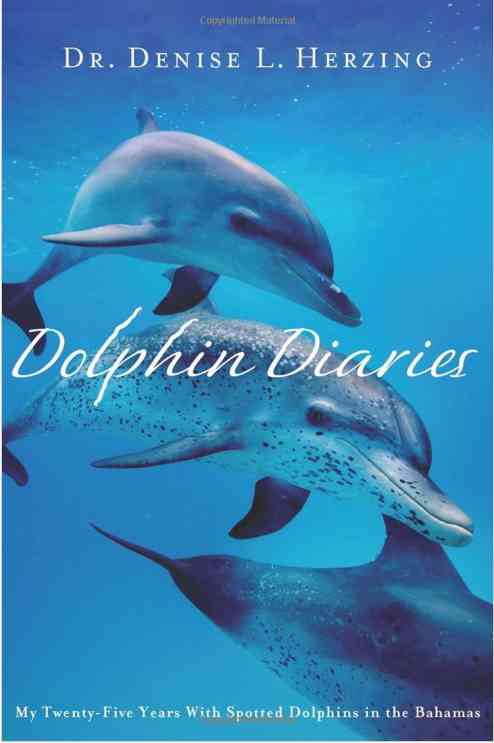
Dolphin Diaries (St. Martin’s, 2011) / Cover image courtesy of The Wild Dolphin Project, wilddolphinproject.org
Once upon a time, about 40 years ago, a wild population of Atlantic spotted dolphins (Stenella frontalis) somewhere in the Bahamas began interacting with treasure divers and other humans who spent time in their world — getting right up close, curious and friendly, hanging around, swimming eye to eye.
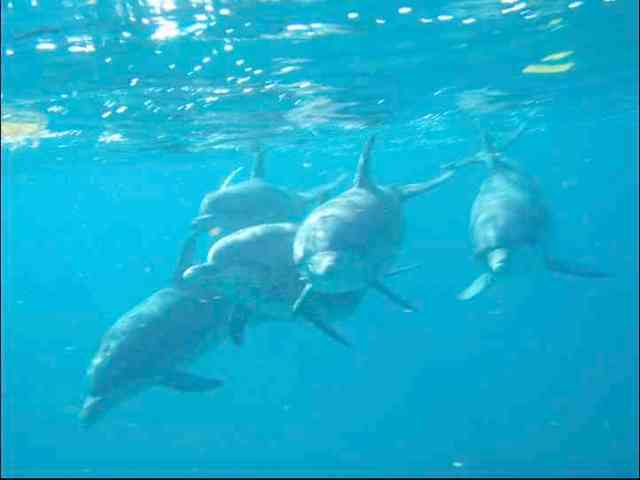
Spotted dolphins, Bahamas, July 14, 2011/Kaitlin Marsh
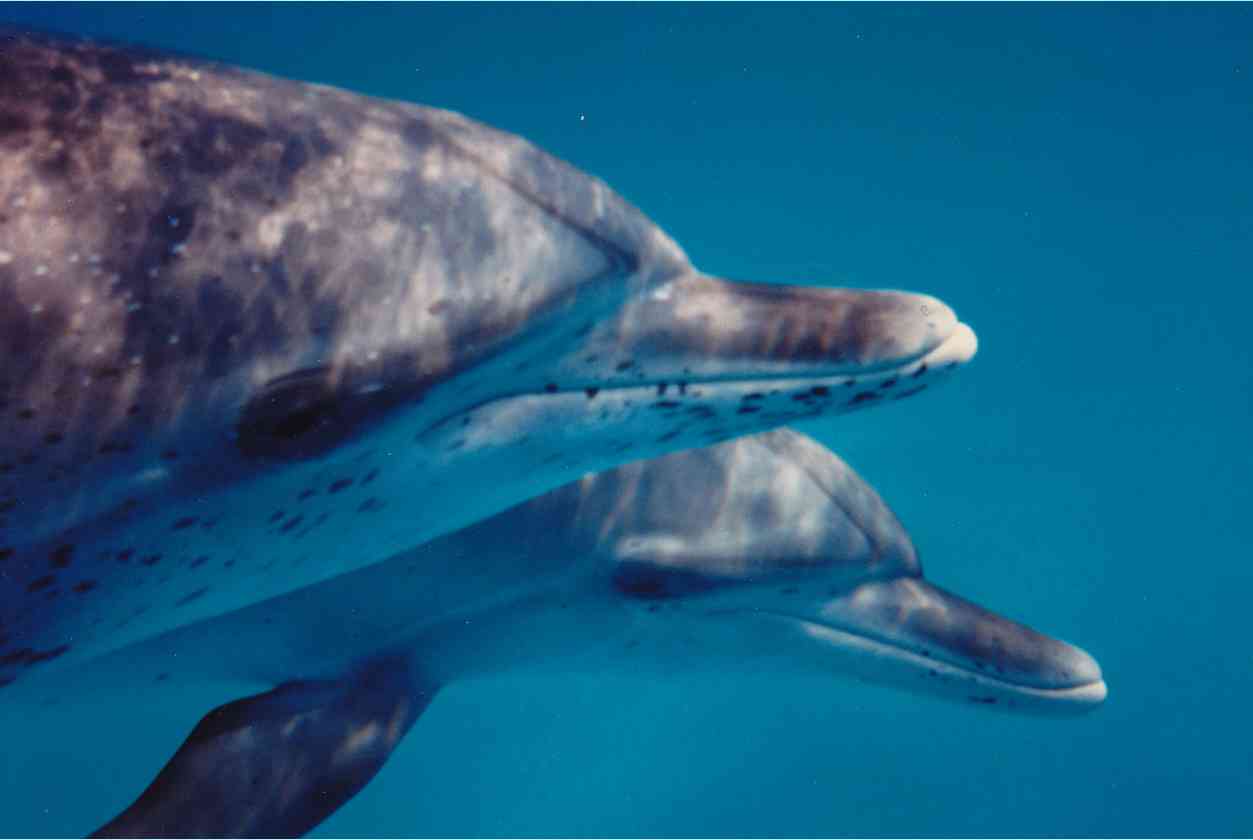
Spotted dolphins, Bahamas, undated/Kathy Tye
Very few people knew about or tried to find their way out to these dolphins back then. The waters they inhabit are far from land, in a tricky navigational area where shallow sand banks suddenly drop off into deep ocean and back again.
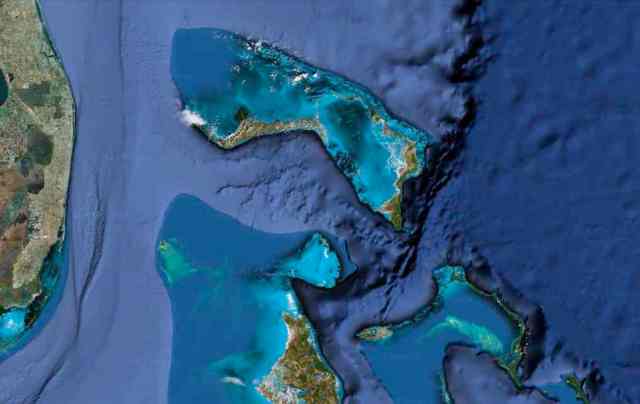
Satellite image of the Bahamas, undated/Google maps, mapsgoogle.com
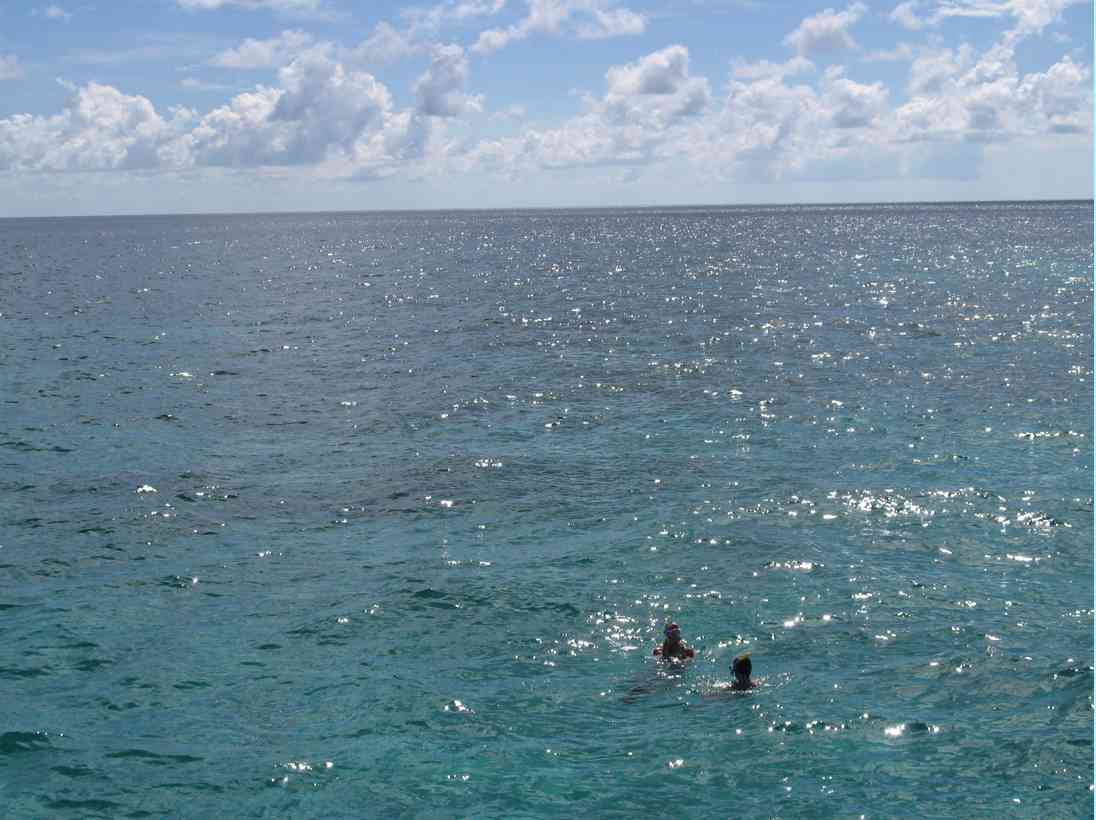
Snorkelers in open water, Bahamas, July 2008/GK Wallace
And even at its true-bluest, the ocean is a fickle friend.
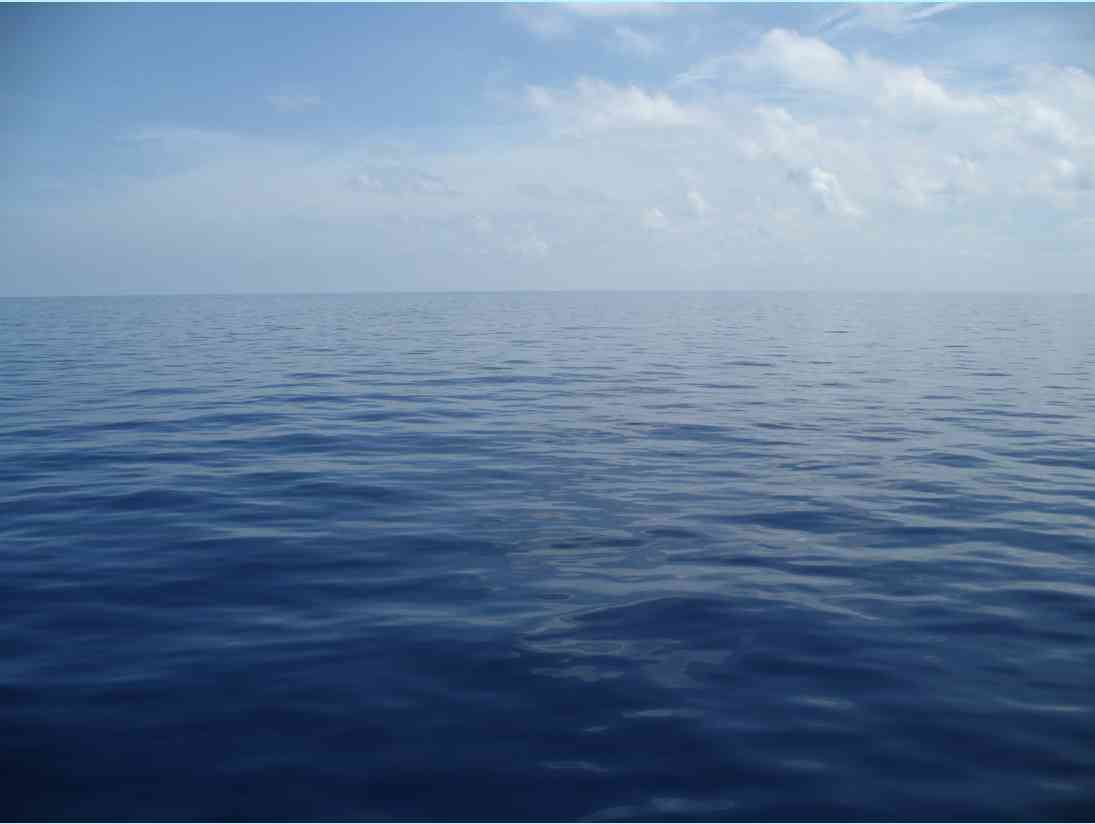
Bahamas, July 2009/GK Wallace

Bahamas, July 2009/ GK Wallace
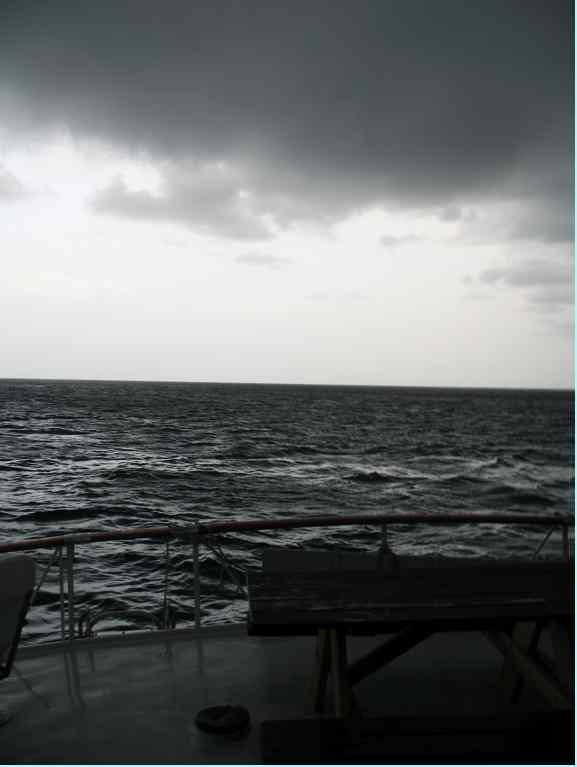
Bahamas, July 2009/GK Wallace
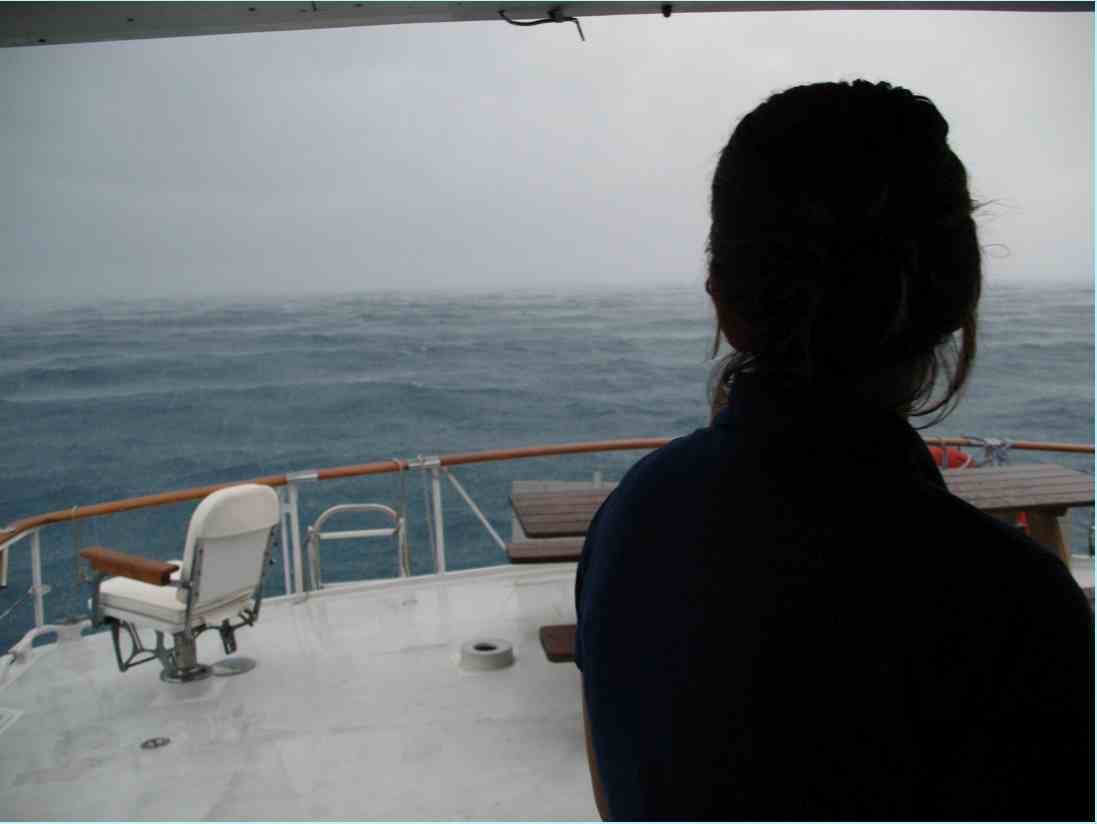
Bahamas, July 2009/GK Wallace
Plus, there’s no guarantee that people who make the journey will get to see or interact with these dolphins, because they’re not trained or captive. They’re wild and free.

Spotted dolphins, Bahamas, July 2008/GK Wallace
Even knowing these realities, some people, when they heard about these dolphins, made the journey anyway. Because they wanted to film or photograph the dolphins or see if they could run tours. Or because they loved dolphins so much they couldn’t pass up a chance to even maybe spend time with them in the open sea.

Spotted dolphins & snorkeler with camera, Bahamas, July 2008/GK Wallace
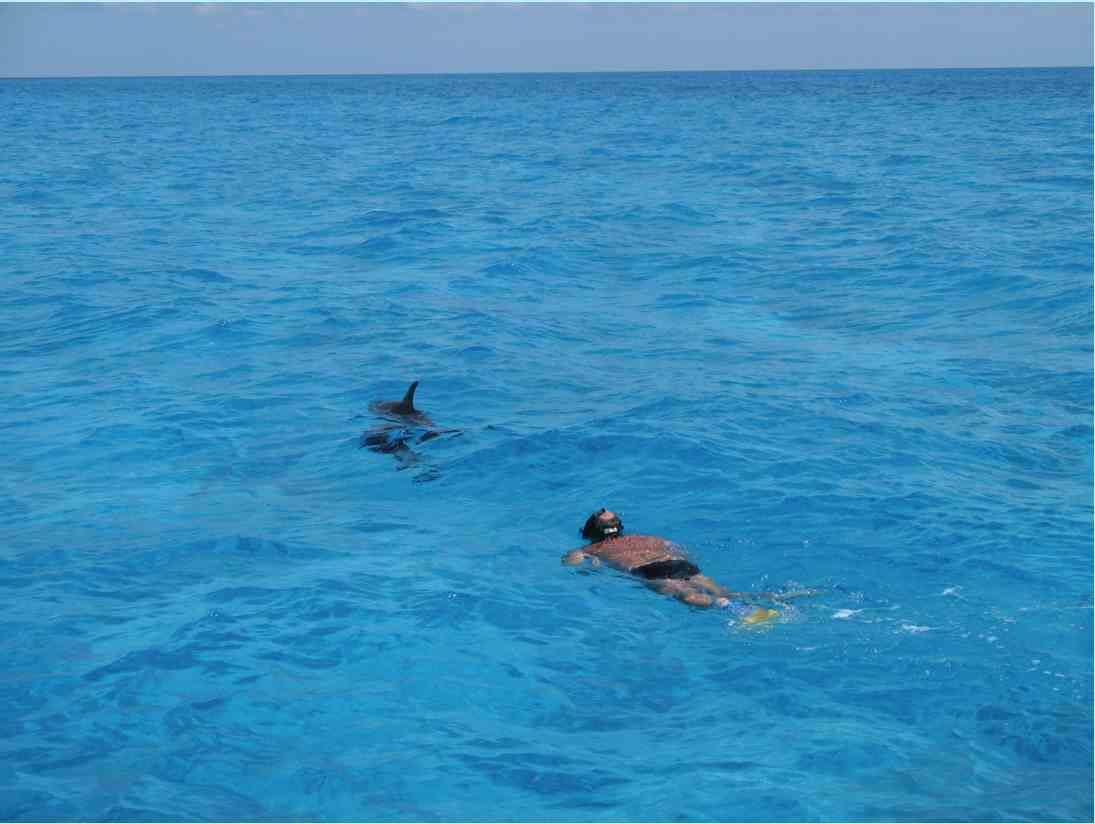
Spotted dolphins & snorkeler, Bahamas, July 2008/GK Wallace
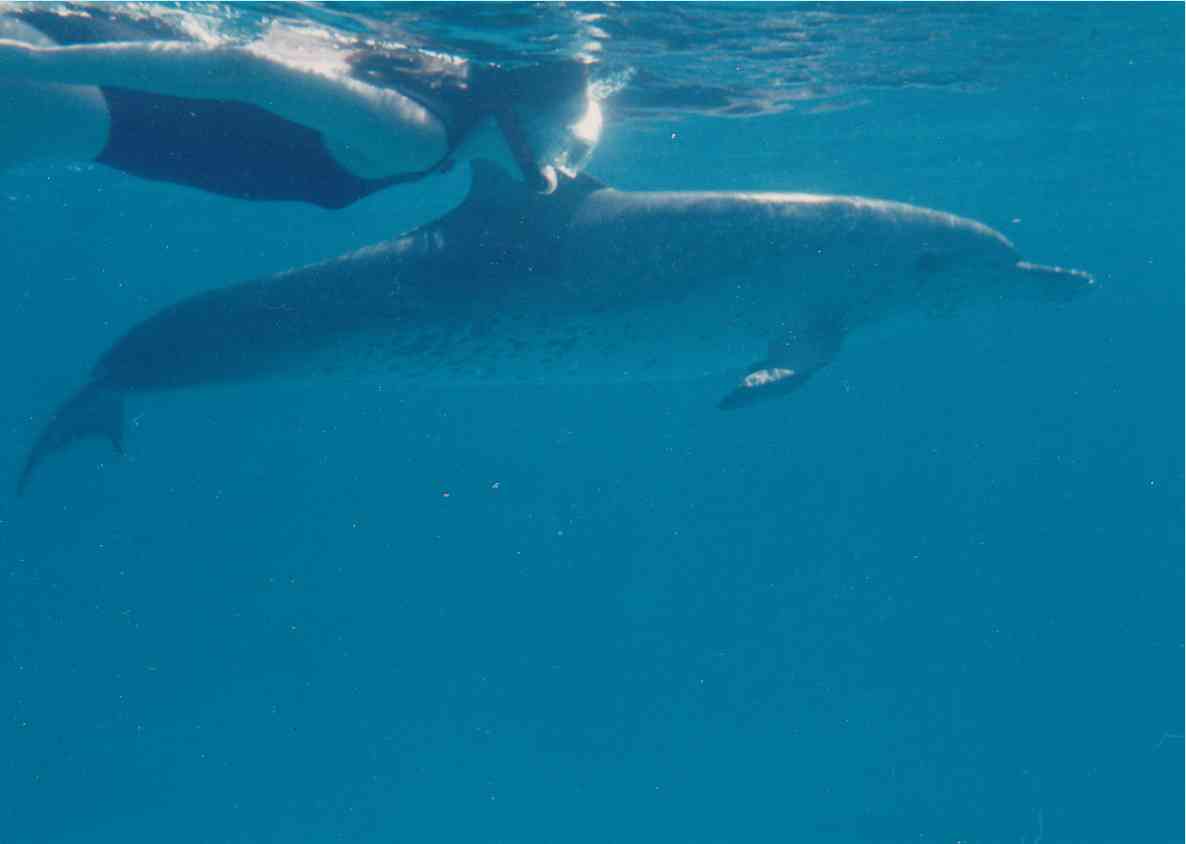
Spotted dolphin & snorkeler, Bahamas, Summer 1989/Craig Murray
Denise Herzing made her first visit 26 years ago this summer with a greater goal in mind. A student-researcher with a special interest in how dolphins and whales communicate and a childhood dream of someday finding a way to talk to animals, Herzing came looking to do science.
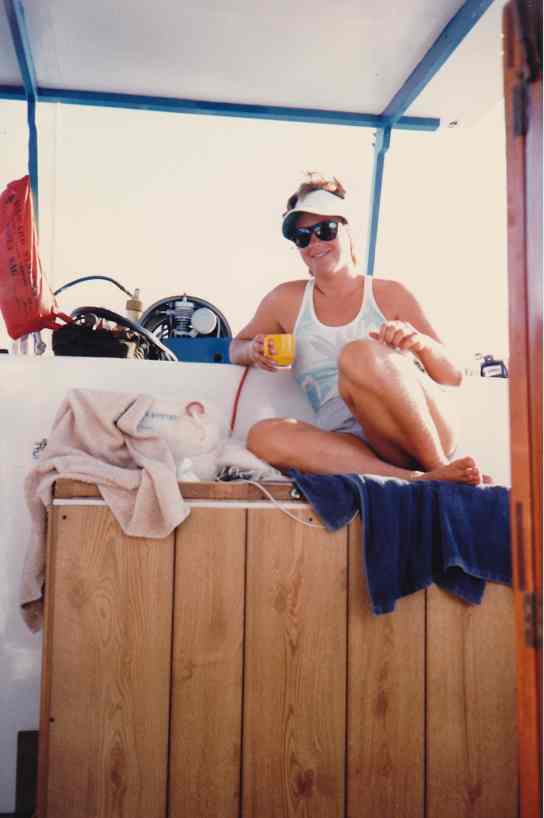
Denise Herzing, Bahamas, August 1986/GK Wallace
Other researchers were already studying wild dolphin populations in other parts of the world — Florida, Hawaii, Australia. But their studies were essentially land-based. They might spend the day on the water, following their subjects, but they didn’t stay on the water. At the end of the day, they returned to land.

Bahamas, July 2011/GK Wallace
And while scientists were making forays into observing wild dolphins underwater, no one had tried to build a whole research project around this approach.
Herzing wanted to attempt it: Stay at sea for days at a time to be available when the dolphins came around and get in the water with them as often as possible to observe, record and try to decipher what they were doing, as another researcher once put it, swimming around out there with such big brains.

Denise Herzing & spotted dolphins, Bahamas, Summer 1989/Craig Murray
Could it be done? There? A young researcher with less of the right stuff would have been stymied by the obstacles: How the heck do you study a population of free-ranging dolphins in the open sea?
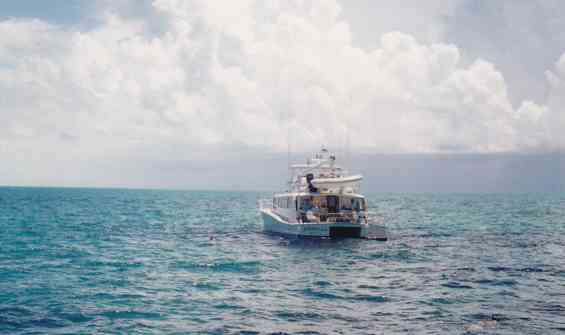
Bahamas, August 2002/GK Wallace
Denise Herzing, being Denise Herzing, saw possibilities. The water was warm enough to work in and clear enough to see what the dolphins were doing when they let humans observe. The animals were friendly — not tame, just curious and friendly. Conditions were often calm enough from May through September to remain at sea for long periods of time. And no one else was studying these dolphins. She’d be the first.

Denise Herzing & spotted dolphins, Bahamas, Summer 1989/Craig Murray

Denise Herzing & spotted dolphins, Bahamas, Summer 1989/Craig Murray
 Gini's Nature News